Act I
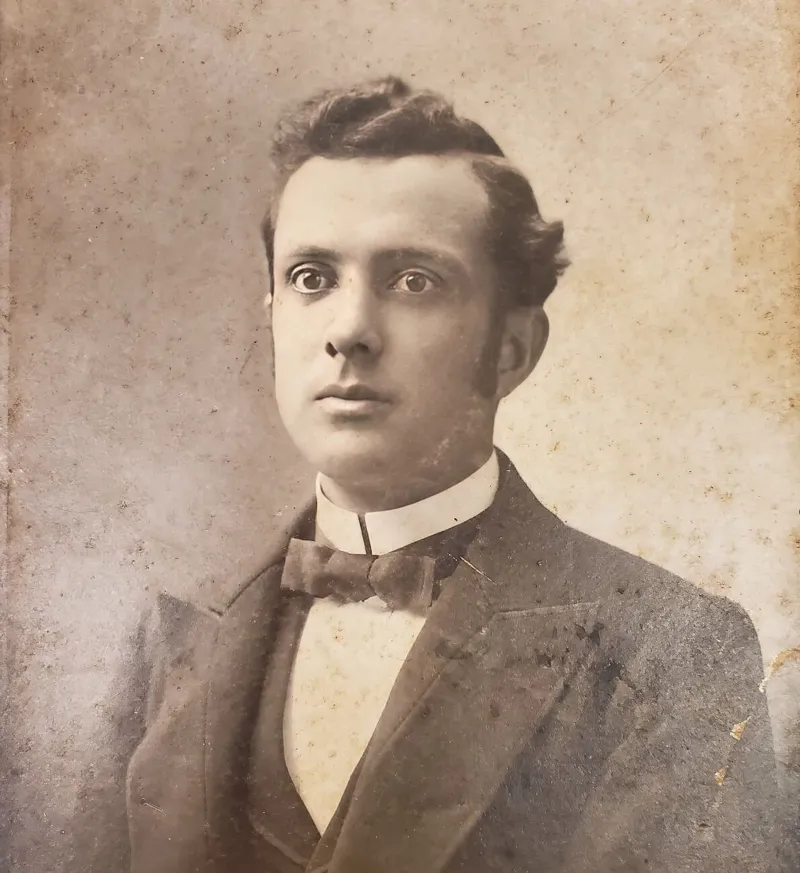
Bishop Robert E. Jones
Editor, preacher and the first African American to serve as a general superintendent of the Methodist Episcopal Church, Jones dreamed of a place where Black Methodists could rest, learn and gather without fear.
Waveland, Mississippi · Founded 1923
A sanctuary by the sea. A century of faith, learning and resilience on the Mississippi Gulf Coast — the experience that changed lives.
Photo courtesy of the Hancock County Historical Society
About the film
In 1923, Bishop Robert Elijah Jones — one of the first two African American bishops elected in the Methodist Episcopal Church — opened Gulfside on the shore at Waveland, Mississippi. Modeled on the Chautauqua pillars of faith, education, culture and recreation, it became a retreat, a school and a meeting ground for Black Methodists across the Deep South.
Gulfside survived Jim Crow, fire, Hurricane Camille and Hurricane Katrina. The Gulfside Assembly Story follows that century through archival photographs, the people who lived it and the community that keeps its mission alive today.
Read the full historyThe film in three acts
Act I
Editor, preacher and the first African American to serve as a general superintendent of the Methodist Episcopal Church, Jones dreamed of a place where Black Methodists could rest, learn and gather without fear.
Act II
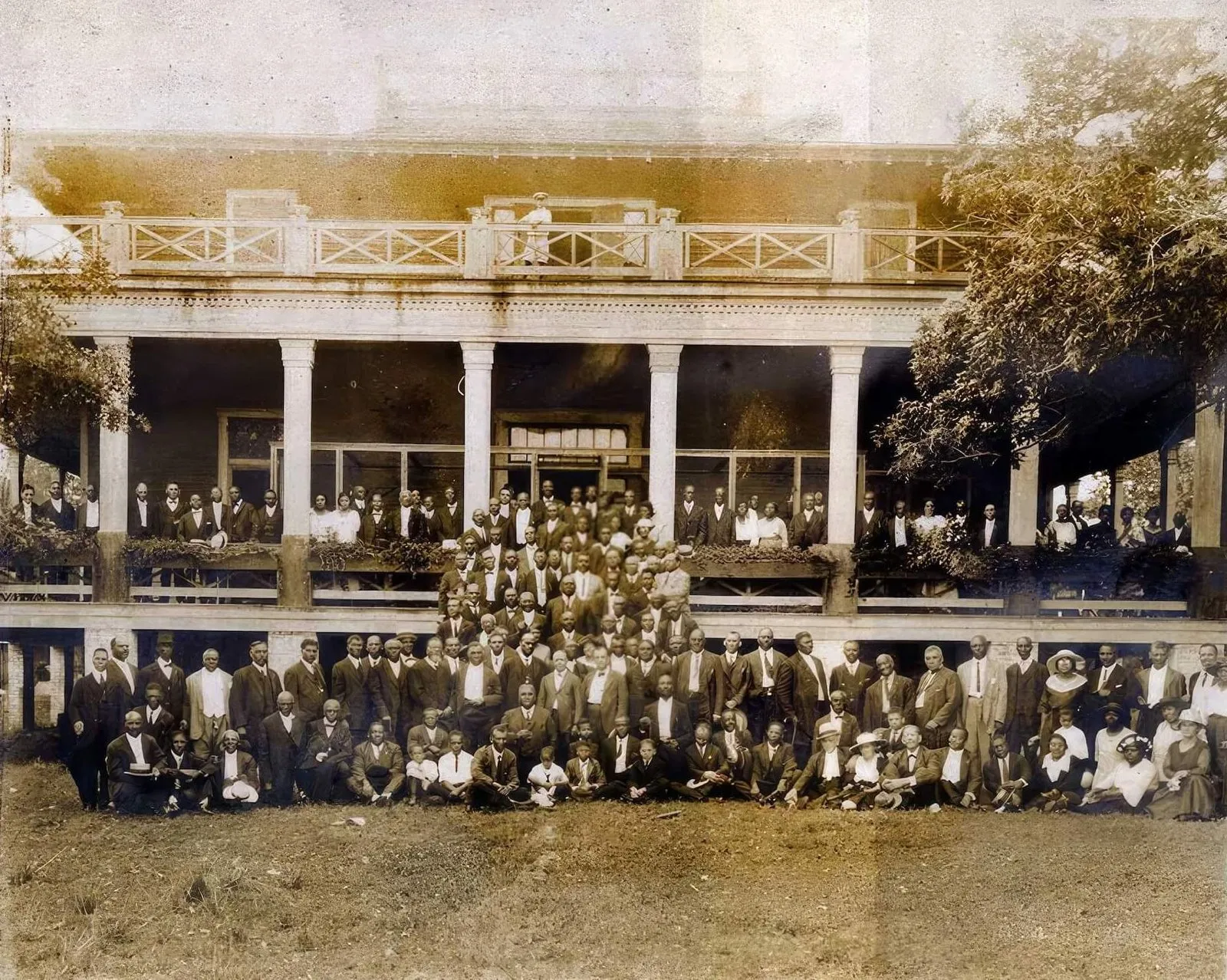
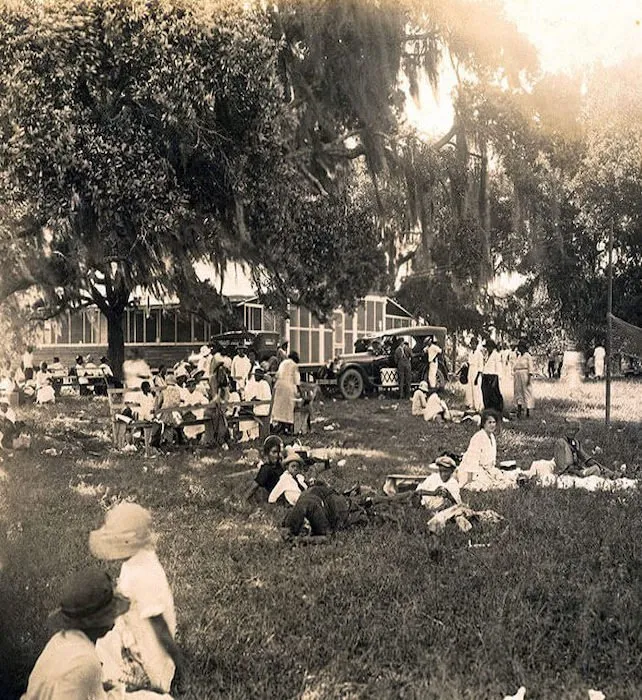
Summer schools for pastors, a training school for poor boys, Scout camps and conferences — and a hard-won hold on beachfront land through decades of segregation, storms and rebuilding.
Act III
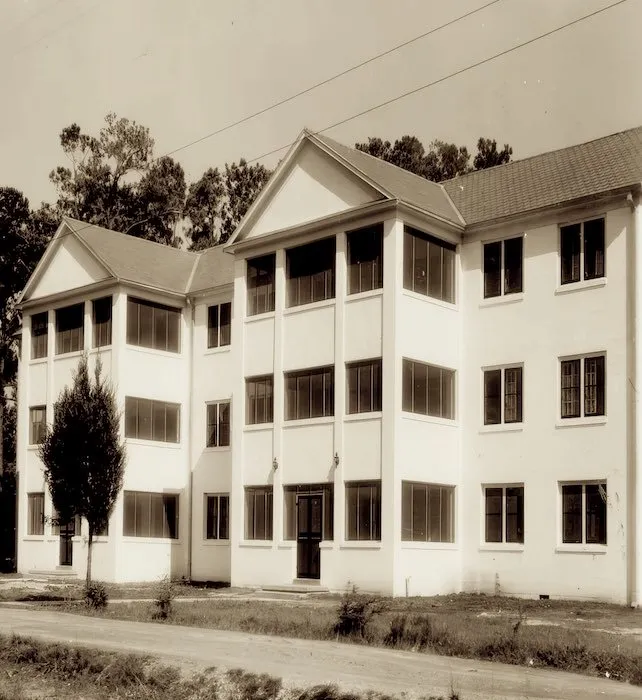
In their own words, the people who swam, prayed, studied and organized here describe what Gulfside meant — and why its story must reach a new generation.
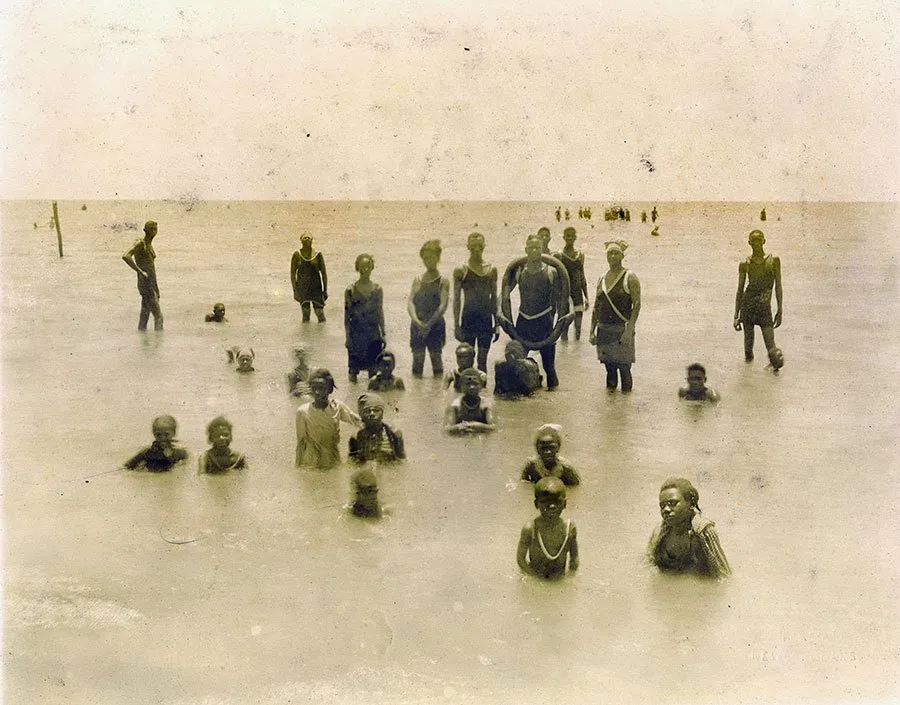
“Institutions that shape us.”
— Bishop Alfred Norris
A century on the coast
Gulfside remains one of only two African American Chautauquas left in the country, and the only one owned by the community it serves.
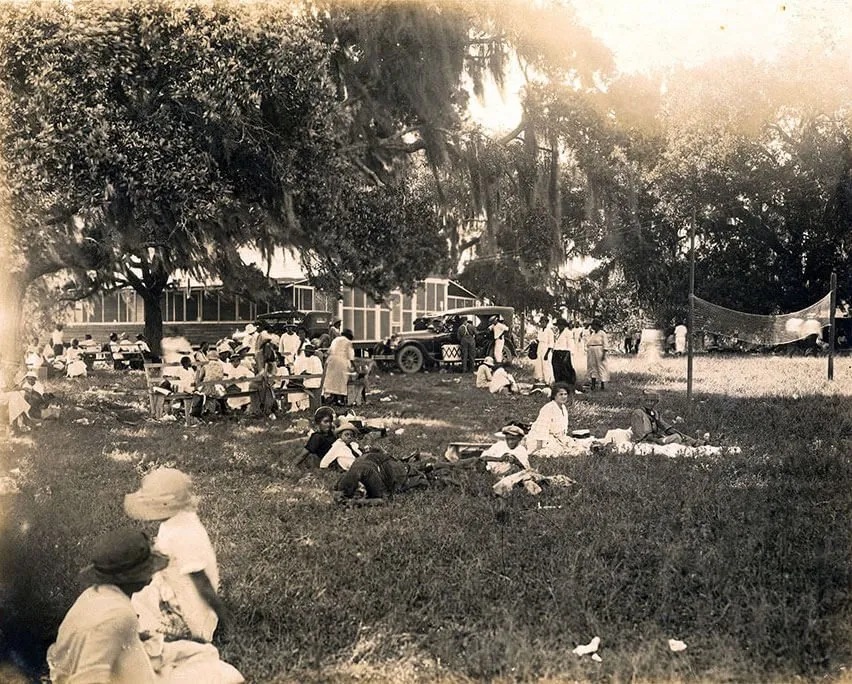
Robert E. Jones and Matthew W. Clair Sr. become the first African American bishops elected in the Methodist Episcopal Church.
On April 16, the Gulfside Chautauqua and Camp Meeting Ground opens in Waveland after Jones raises $4,000 from churches and individuals.
Gulfside is incorporated and becomes a hub for ministers’ institutes, Scout camps, retreats and an industrial school for boys.
Leaders gather at Gulfside, one of the few places in Mississippi where Black citizens could meet freely during the civil rights era.
Hurricane Camille strikes the coast. Gulfside rebuilds.
The storm destroys 13 buildings. The mission survives.
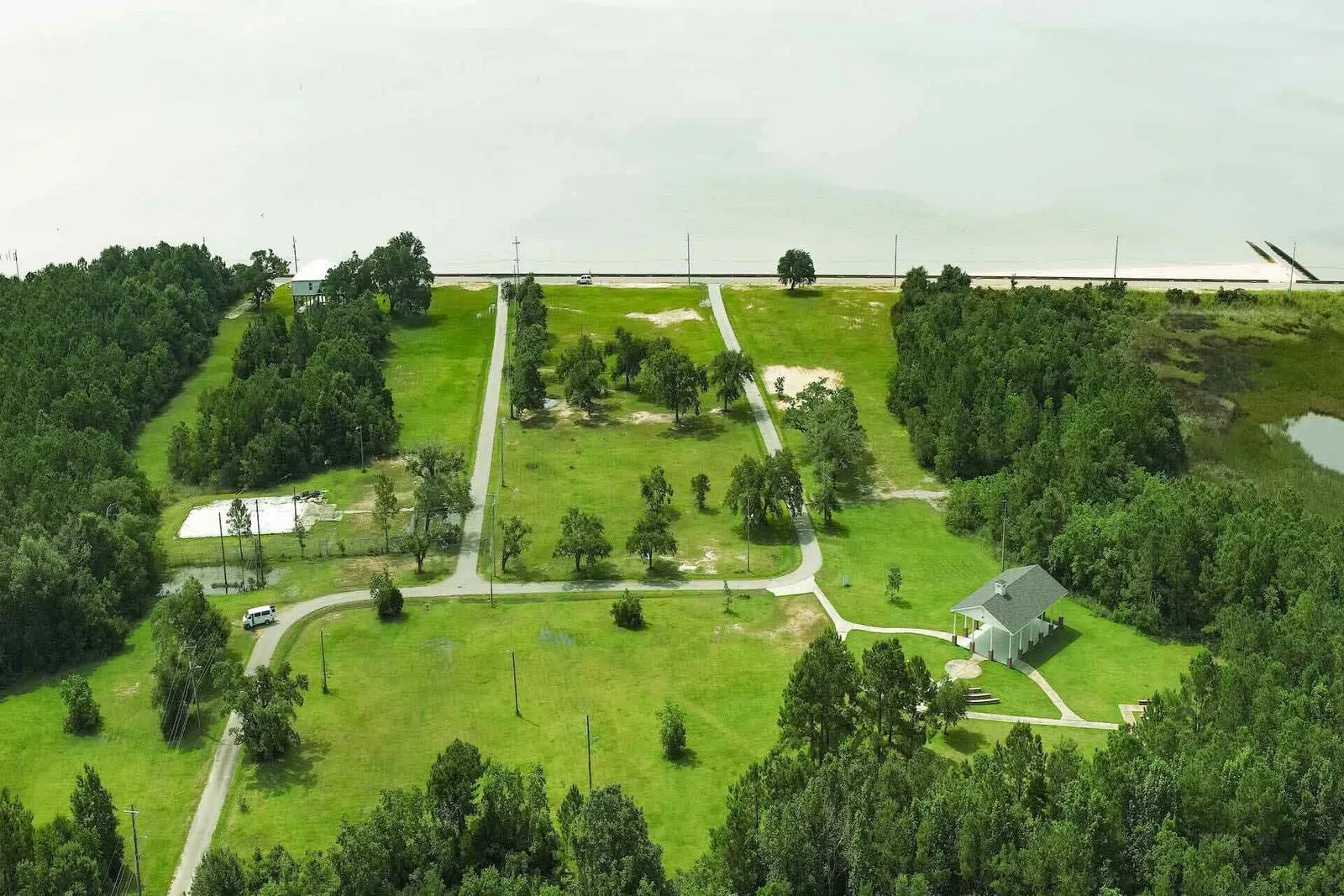
Gulfside is named a United Methodist Heritage Landmark; the open-air prayer chapel honoring Bishop Leontine Kelly is dedicated.
Gulfside marks its centennial.
The Gulfside Assembly Story wins two Silver Tellys and a Communicator Award of Excellence.
Watch
Archival photographs, eyewitness memories and the voices of the Gulfside family — in under three minutes.
Read the trailer transcript, with descriptions of what appears on screen.
What is the Gulfside Experience?
“Gulfside was the center of our educational, theological, religious, and social activities… Everything that happened in Hancock County for black folks happened in Gulfside. So when racial or social injustice came about, we met at Gulfside.”
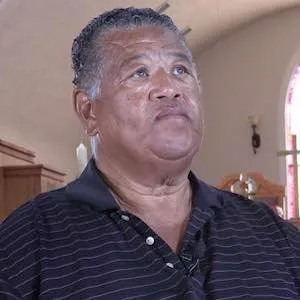 Art Philip Clementine
“I would like to see Gulfside become an inspiration to a new generation… let it nurture them to go on to accomplish goals that they have in their lives and the things that they aspire to.”
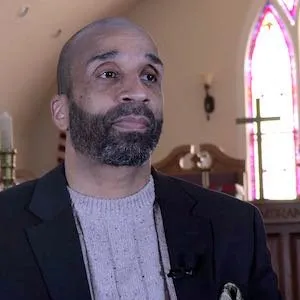 Rev. Nathaniel Barkum Sr.
“We were here on the 16th of August. It’s devastating… And I was saying, pray for Gulfside, because it had been through so much, and we were just excited about the building.”
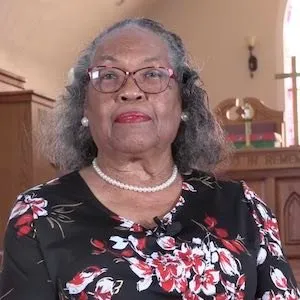 Mollie Marjorie Stewart
From the premiere screening
“The documentary opened my eyes to a totally expanded view of Gulfside. It tells the story beautifully!” Lyndia Green
“It felt familiar, like my Gramma’s warm embrace.” Trudie Greene
“This film made me reflect on the importance of recording and sharing our history.” Harold Ellis Clark
August 29, 2025 · Katrina 20
Twenty years after the storm made landfall, survivors, volunteers and faith leaders from four traditions gathered at sunrise on Gulfside’s beachfront — ground zero — to honor the past and plan for what comes next.
Accepted by PBS for national broadcast in 2025
Gulfside Assembly is raising $175,000+ in sponsorship to bring the film to a national PBS audience. Sponsors are recognized on screen, at screenings and festivals, and on both websites.
$25,000
Two 15-second broadcast spots, top billing on all materials and premier placement on this site.
$20,000
Two 10-second broadcast spots and recognition at screenings and festivals.
$15,000
Two 5-second broadcast spots and recognition at local screenings.
$10,000
Closing film credit and screening recognition.
$5,000
Closing film credit and a Certificate of Appreciation.
$2,000
Closing film credit; listed as a Sustaining Friend of Gulfside.
The people behind the film
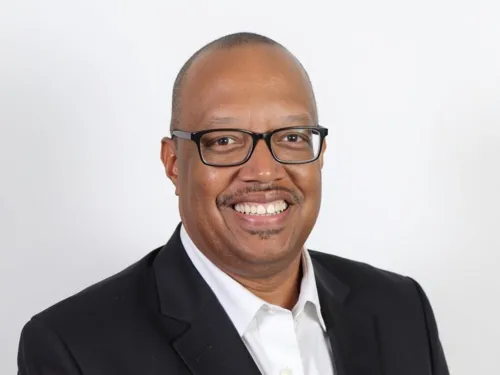 Leonard Smith IIIDirector / Producer
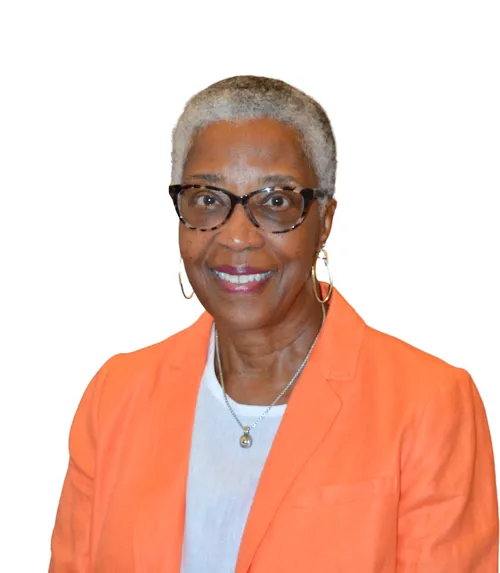 Cheryl ThompsonExecutive Director
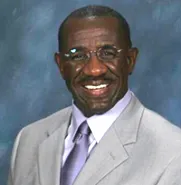 Rev. Dr. Elijah StansellBoard of Directors, ChairLeonard Smith IIIDirector / Producer
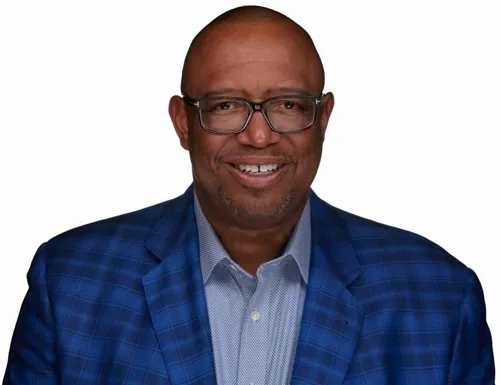 Tod SmithWriter / Producer
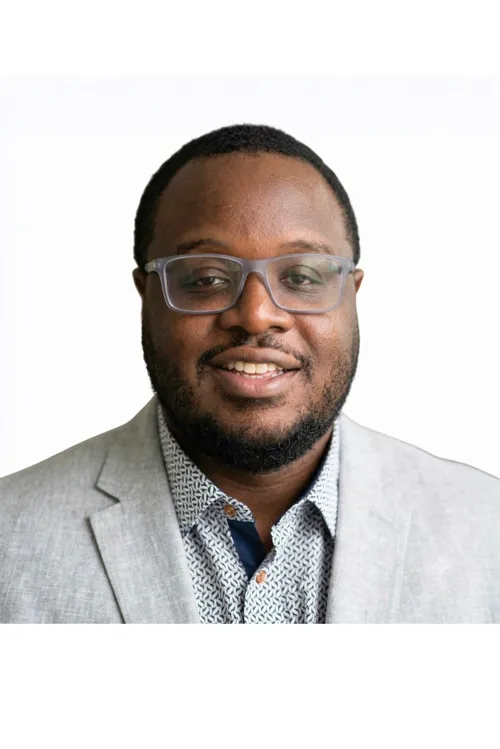 Larry Everage Jr.Director of Photography
Visit Gulfside
The grounds face the Gulf on South Beach Boulevard in Waveland, home to the Bishop Leontine Kelly open-air prayer chapel and the state historical marker.
Get Directions