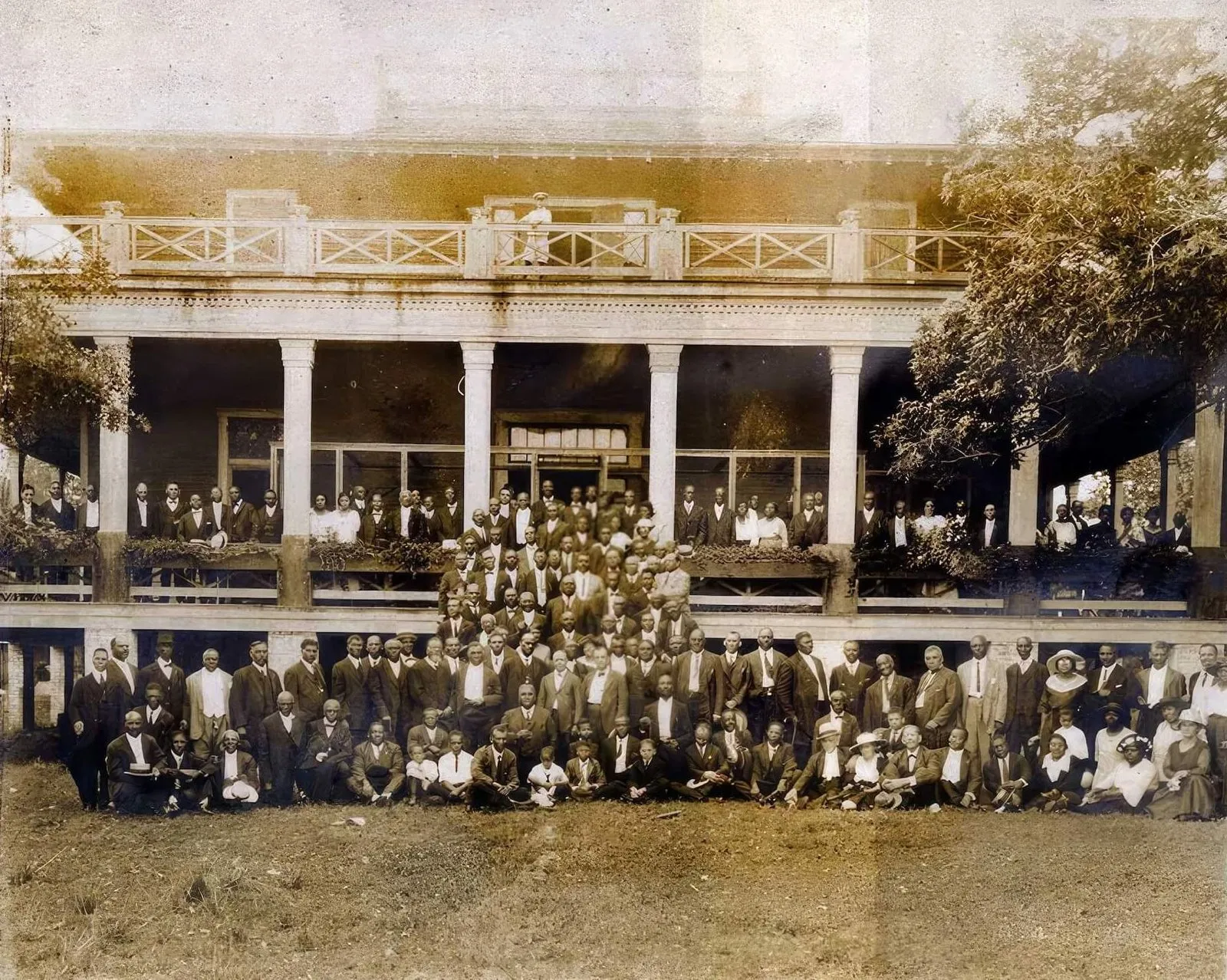
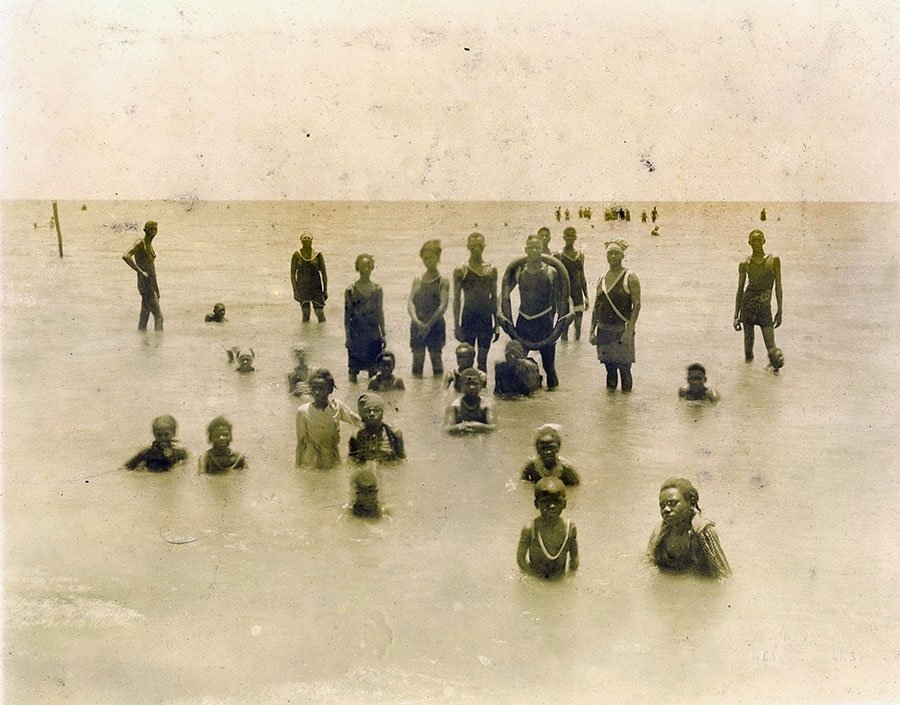
In the Jim Crow South, African Americans were shut out of the beaches, hotels and meeting halls their white neighbors used. In 1922, Bishop Robert E. Jones, longtime editor of the Southwestern Christian Advocate in New Orleans, spoke at Lakeside Assembly, a Methodist Chautauqua in Ohio that offered religious instruction, education, the arts and recreation each summer. He decided Black Methodists in the South should have one too.
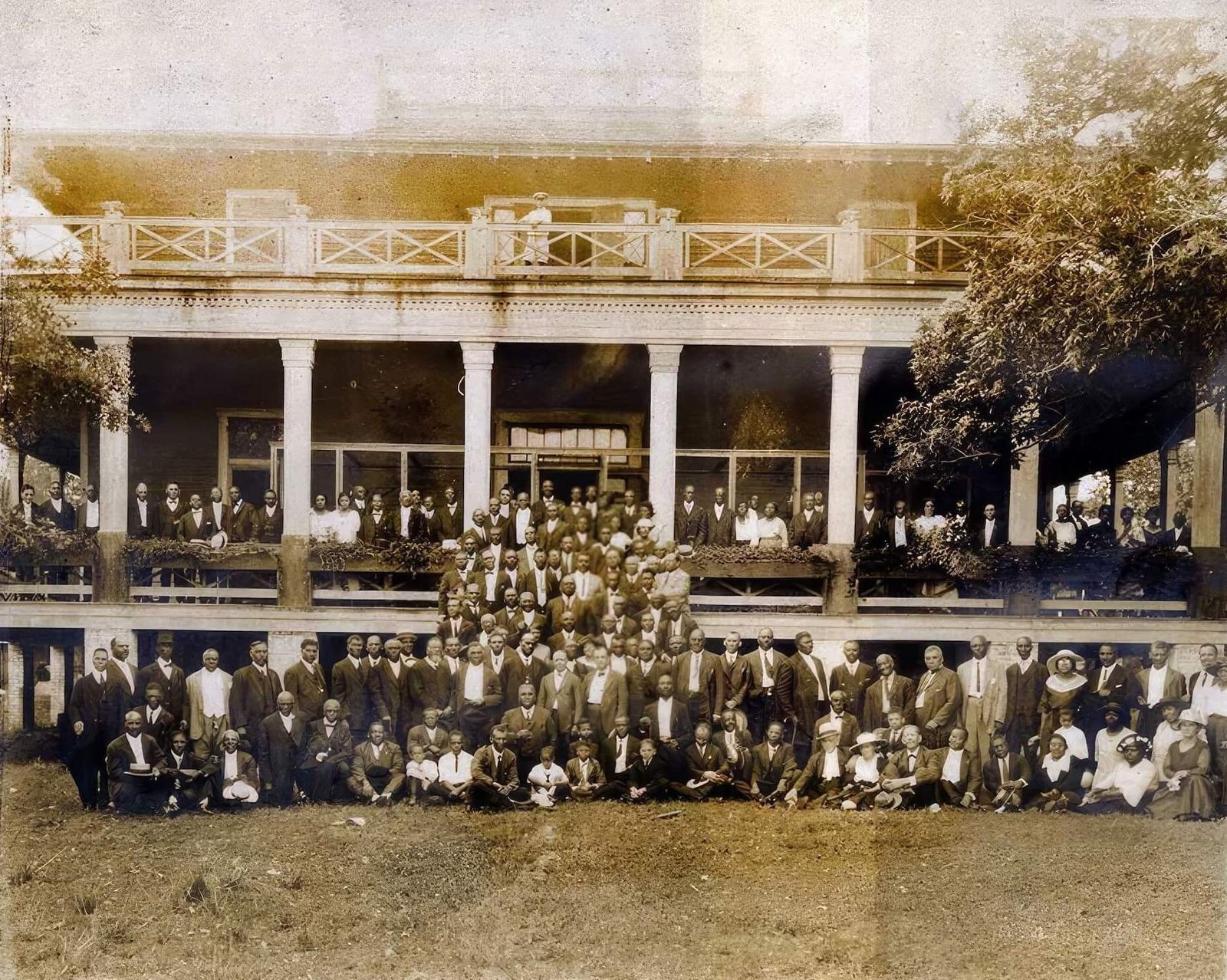
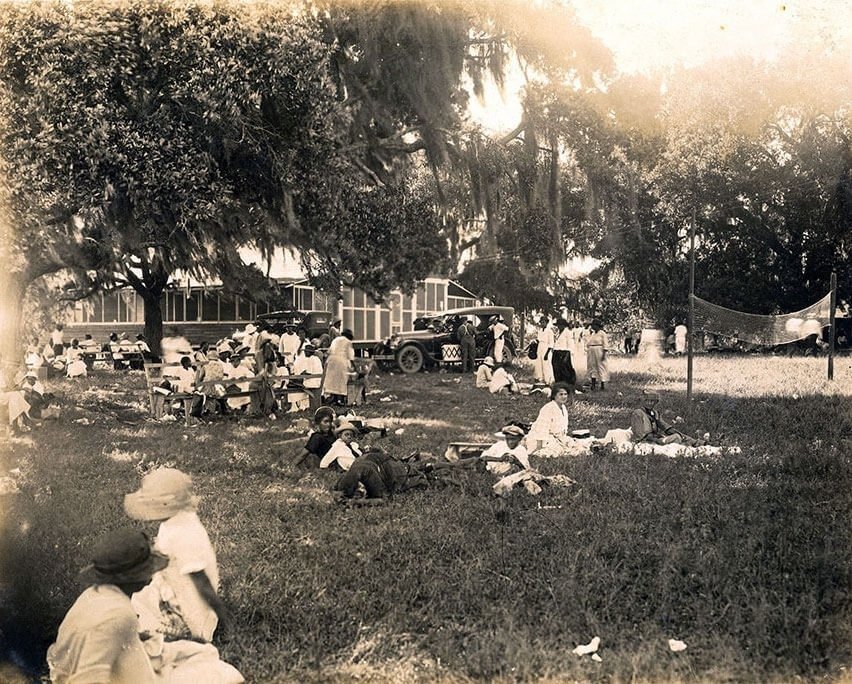
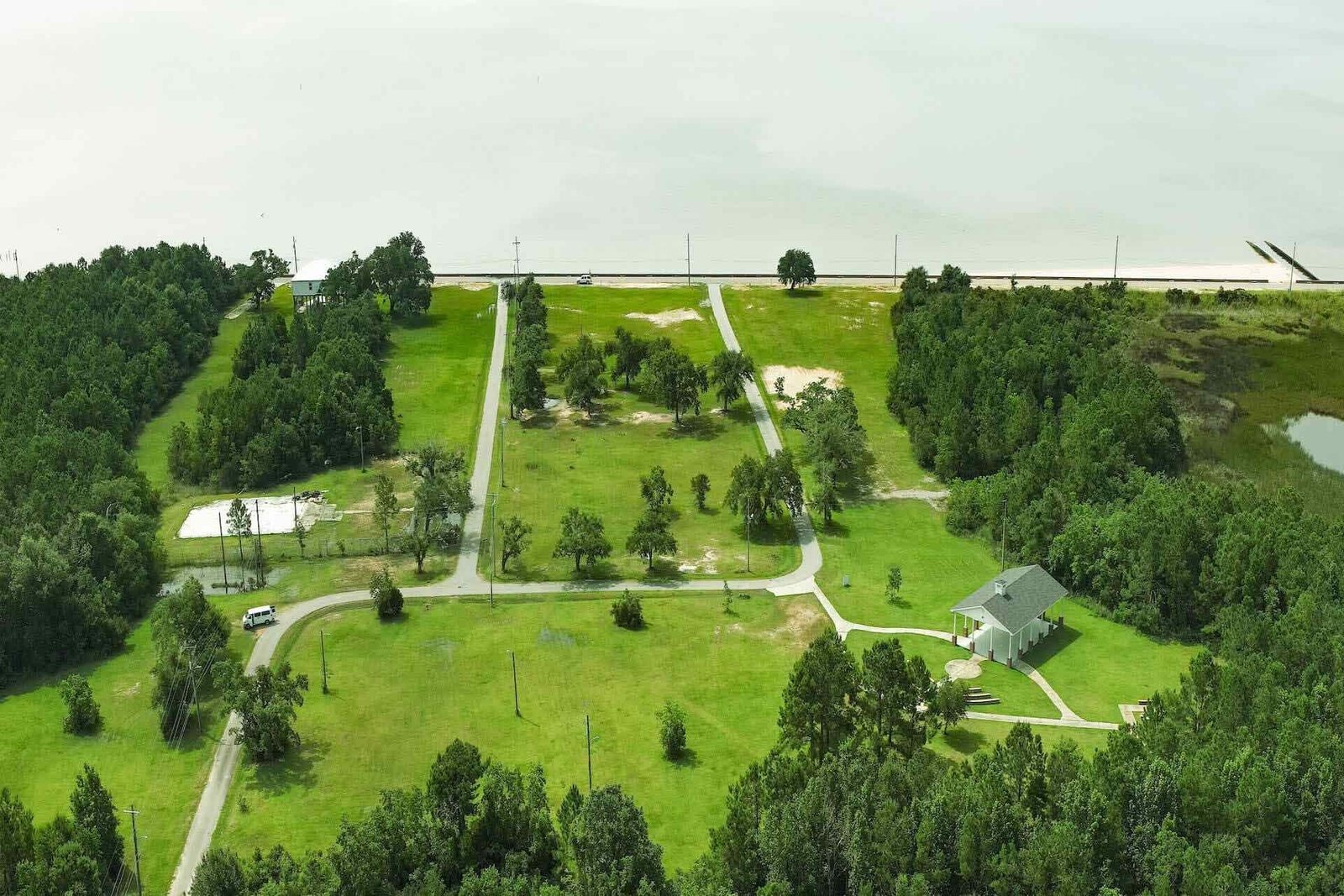
With $4,000 raised from churches and individuals, Jones bought 300 acres and leased another 316 along the beach at Waveland, Mississippi. The Gulfside Chautauqua and Camp Meeting Ground opened on April 16, 1923. Over the decades that followed, Gulfside trained Black pastors and teachers, ran a school for poor boys, hosted Boy Scout and Camp Fire Girls camps, and became one of only three places in Mississippi, with Tougaloo and Rust colleges, where Black citizens could meet during the civil rights movement.
Holding beachfront land in Jim Crow Mississippi took constant negotiation. Holding it against the Gulf took something more. Fire destroyed the old Jackson House in the 1940s. Hurricane Camille struck in 1969. In 2005, Hurricane Katrina took every one of Gulfside’s 13 buildings. Each time, the community came back.
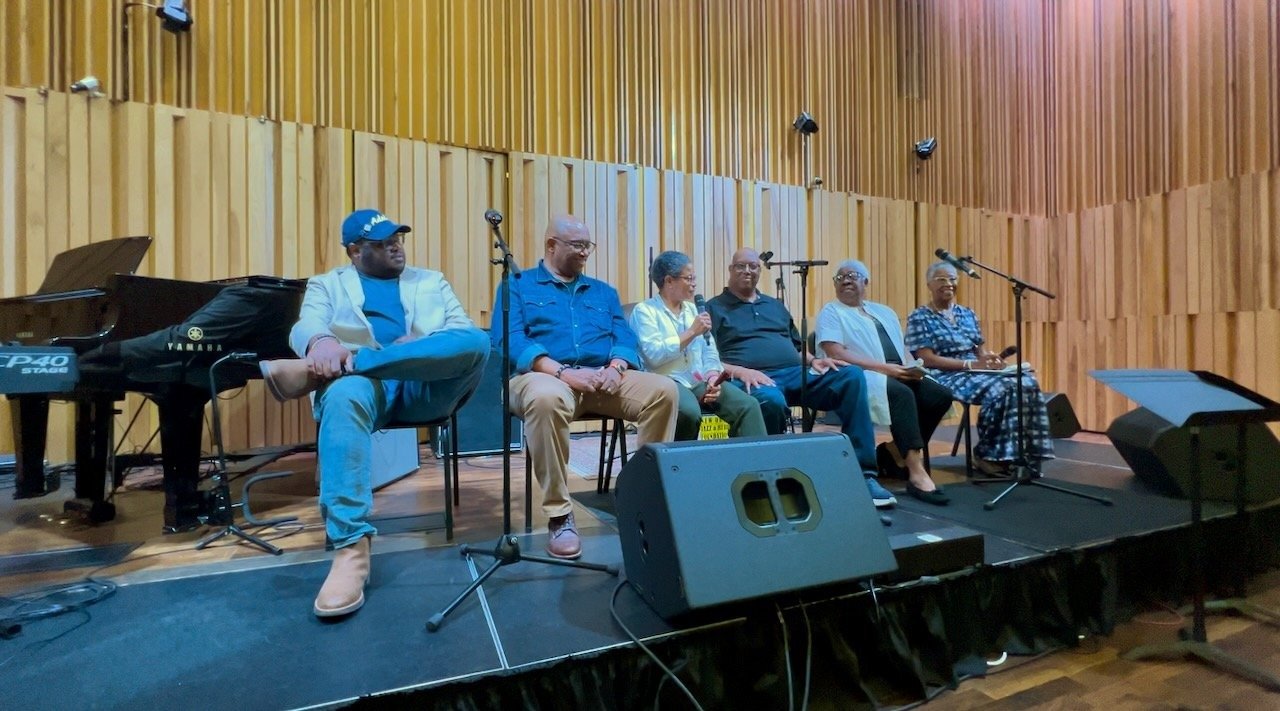
The Gulfside Assembly Story tells this history in three acts: the life of Bishop Robert E. Jones, the history of Gulfside Assembly, and the Gulfside Experience in the words of the people who lived it. Built from Hancock County Historical Society photographs, archival research and first-person interviews, the film has won two Silver Telly Awards and a Communicator Award of Excellence, screened at universities, churches and Chautauquas from Mississippi and Louisiana to California, Ohio and Washington, D.C., and in 2025 was accepted by PBS for national broadcast.